
It is one of the most common phrases heard in the workshop is… “my chain has stretched“
In reality, it almost certainly hasn’t.
Modern motorcycle drive chains are manufactured from hardened steel with enormous tensile strength. Under normal riding conditions they do not permanently stretch like an elastic band. So why do they become longer over time, eventually requiring adjustment and replacement? The answer lies in wear, not stretching.

How a Motorcycle Chain Works
A modern roller chain is a surprisingly sophisticated piece of engineering. Each link consists of:
- Inner and outer side plates
- Hardened steel pins
- Hardened bushes
- Rollers
- O-rings or X-rings (on most modern chains)
As the chain travels around the sprockets, every pin rotates inside its matching bush thousands of times during every journey. These tiny bearing surfaces carry all of the engine’s power while allowing the chain to flex around the sprockets. It is these bearing surfaces—not the steel plates—that gradually wear.

Where the Wear Occurs
Each chain contains well over one hundred individual links.
Every time power is applied, the pin rotates slightly inside its bush. Although both components are hardened steel, microscopic wear still occurs. The amount of wear in any one link is almost impossible to see.
However, when that tiny amount of wear is multiplied across more than a hundred links, the total length of the chain gradually increases. The chain appears to have stretched, but in reality the pins and bushes have simply worn, increasing the clearance between them.
It is this accumulated wear that mechanics refer to as chain elongation.
Why Lubrication Matters
Many riders believe chain lubricant is there simply to stop the chain rusting. Its real purpose is far more important. The lubricant reduces friction between the pins and bushes—the very surfaces where wear occurs.
Modern O-ring and X-ring chains contain grease sealed inside each bearing by flexible rubber seals. External chain lubricant helps protect these seals, reduces corrosion and lubricates the rollers where they contact the sprocket teeth. Keeping the chain clean and correctly lubricated dramatically slows the wear process.
Dirt Is the Real Enemy
Road grit, dust and sand are highly abrasive. When mixed with old lubricant they form an effective grinding paste that accelerates wear between the moving components. Ironically, applying excessive lubricant can sometimes make matters worse because it attracts more dirt and debris.
The goal is not to have the oiliest chain possible. The goal is a clean, correctly lubricated chain.
Why Chains Develop Tight Spots
Many older chains develop sections that feel tighter than others when the rear wheel is rotated. This is usually caused by uneven wear or links that no longer articulate freely because of corrosion or damaged seals.
As the tight section passes around the sprockets, chain tension changes. This is why manufacturers recommend adjusting chain slack at its tightest point.
What About the Sprockets?
Chains and sprockets wear together. As the chain elongates, it no longer meshes perfectly with the sprocket teeth. The load becomes concentrated on the rear faces of the teeth, gradually producing the familiar hooked profile seen on worn sprockets.
Installing a new chain onto badly worn sprockets—or vice versa—usually accelerates wear. For this reason, chains and sprockets are normally replaced as a complete set.
Measuring Chain Wear
Many riders pull the chain away from the rear sprocket to judge whether it is worn. Although this may reveal severe wear, it is only a rough guide.
The most accurate method is the one recommended by motorcycle manufacturers: measure the length of a specified number of links under light tension and compare it with the service limit in the workshop manual. Once the chain exceeds this limit, replacement is recommended.
Common Myths
Myth: Chains stretch.
Reality: The steel side plates do not permanently stretch during normal use. The apparent increase in length is caused by wear between the pins and bushes.
Myth: More lubricant is always better.
Reality: Excess lubricant attracts dirt. A clean chain with the correct amount of lubricant lasts longer than one coated in thick layers of old grease.
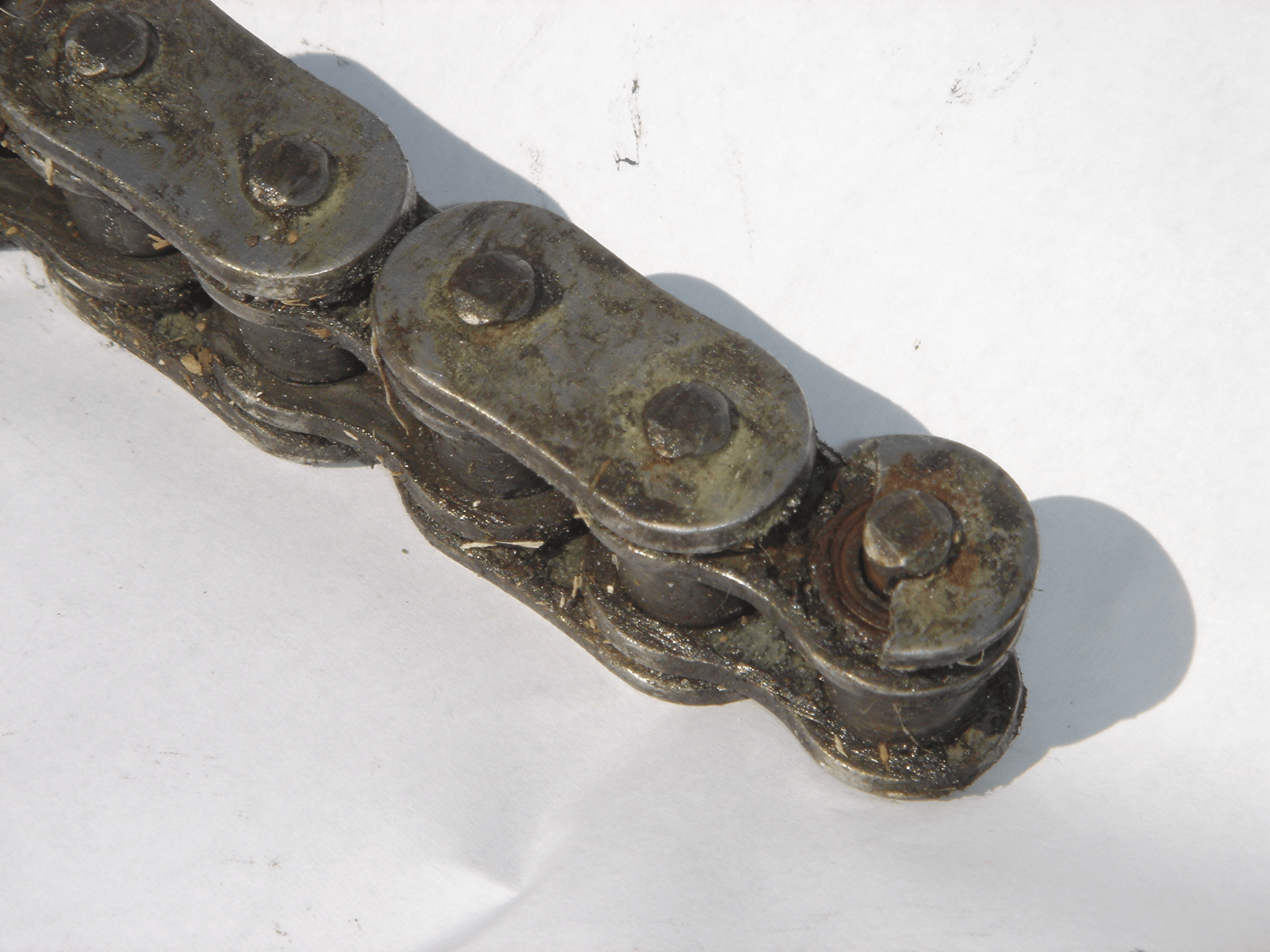
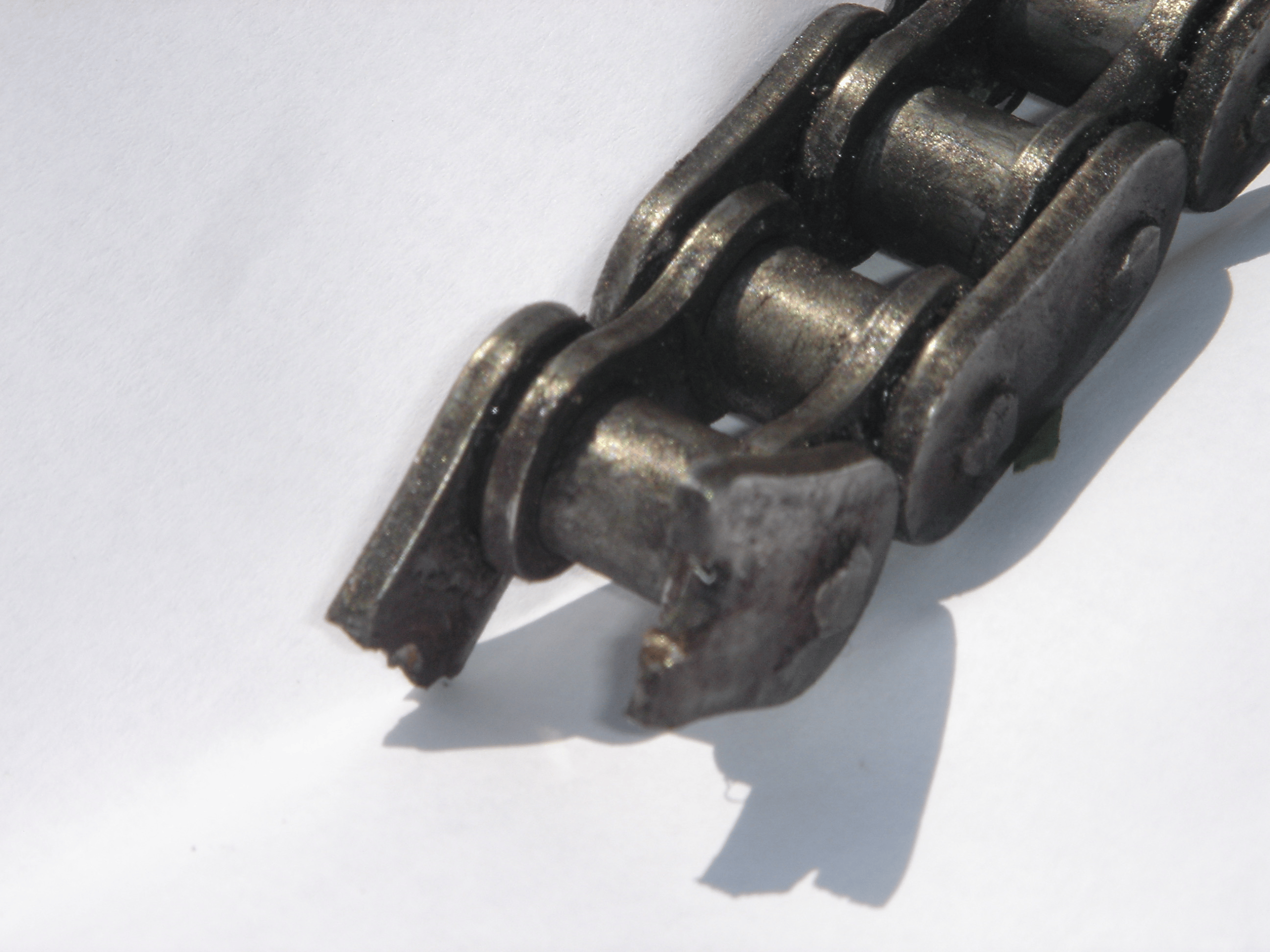
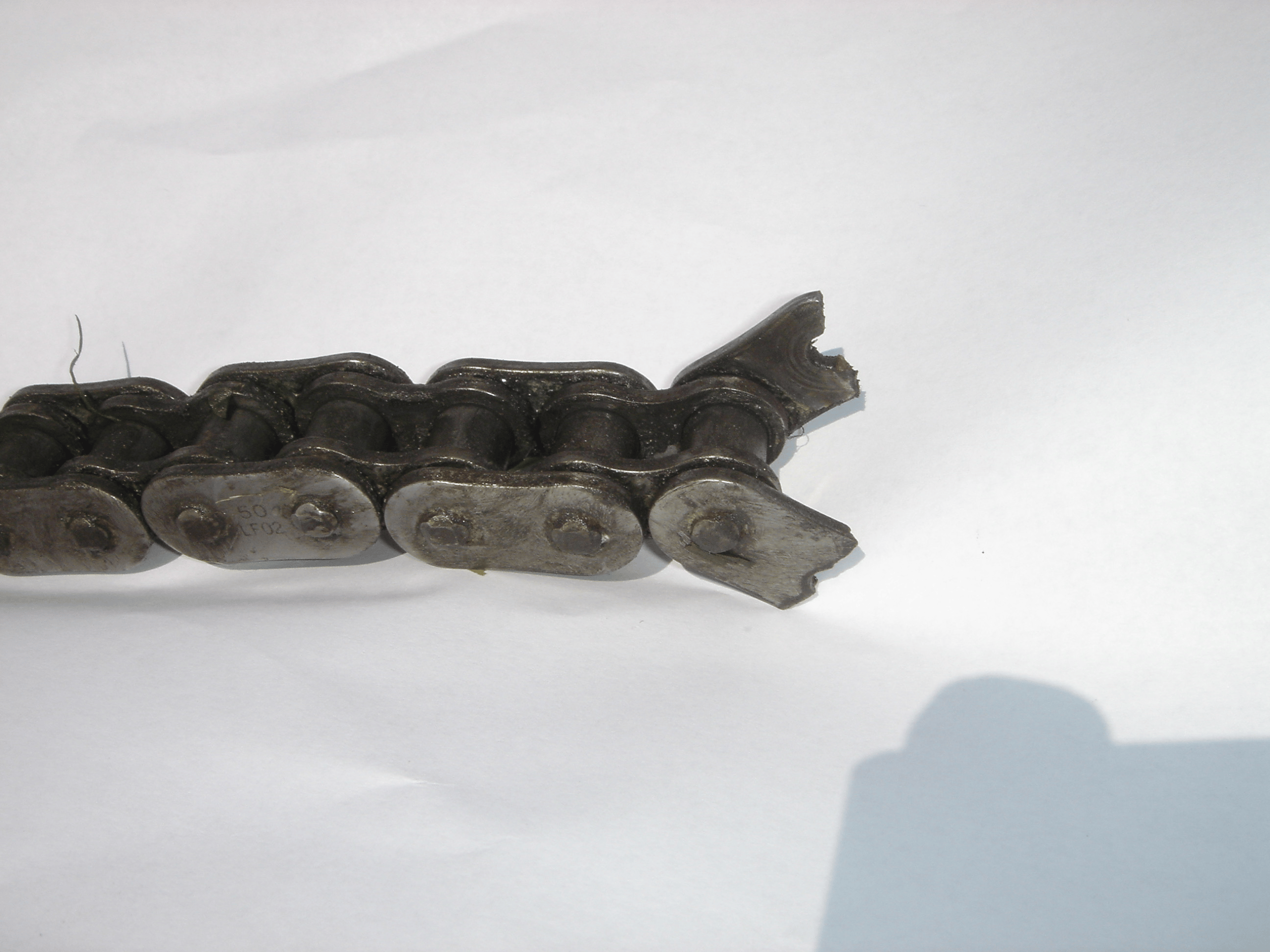
Myth: Tighter chains last longer.
Reality: Over-tightening places unnecessary loads on the chain, sprockets, gearbox output shaft and wheel bearings. Always adjust chain slack to the manufacturer’s specification.
Myth: O-ring chains don’t need lubrication.
Reality: Although the internal bearing surfaces are factory-greased, external lubrication still protects against corrosion, reduces roller wear and helps preserve the rubber seals.
How to Make a Chain Last
A quality chain can often provide many tens of thousands of miles of reliable service if it is:
- Kept reasonably clean.
- Lubricated with an appropriate chain lubricant.
- Adjusted to the correct tension.
- Inspected regularly for wear and damaged seals.
- Replaced together with worn sprockets.
Neglect, on the other hand, can dramatically shorten its life.
Final Thoughts
Motorcycle chains don’t actually stretch—they wear.
Understanding this simple engineering principle helps explain why lubrication, cleanliness and correct adjustment are so important. The increase in chain length is the result of microscopic wear occurring hundreds of times over, link by link, until it becomes measurable.
So the next time someone says their chain has stretched, you’ll know what’s really happened—and why proper maintenance is the key to keeping any chain running smoothly for thousands of miles.