
Motorcycle engine wear is often misunderstood. Many riders assume engines simply wear out after a certain mileage, but in reality most modern motorcycle engines never do. It’s common to hear people talk about an engine being “worn out” after a certain mileage, or that a particular model is only good for 50,000 or 100,000 miles. In reality, modern motorcycle engines are remarkably durable, and many never wear out at all. Instead, they are often retired because the motorcycle itself becomes uneconomical to repair, is involved in an accident, or simply falls victim to corrosion and age.

The truth is that engine wear is not primarily determined by mileage. It is influenced far more by maintenance, lubrication, operating temperature, air filtration and the way the motorcycle is ridden. An engine that covers 100,000 motorway miles can often be in better internal condition than one that has spent 20,000 miles making short journeys with poor servicing.
Understanding how engines actually wear helps explain why some seem almost indestructible while others develop problems surprisingly early.
What Causes Motorcycle Engine Wear?
When people think of engine wear, they often imagine pistons gradually becoming smaller or cylinders slowly wearing away. While these components do wear, the process is incredibly slow under normal operating conditions.
The parts most susceptible to wear include:
- Piston rings and cylinder bores.
- Camshafts and followers.
- Valve guides.
- Crankshaft bearings.
- Cam chain and tensioners.
- Oil pump components.
- Gearbox selector mechanisms.
- Clutch components.
Almost every moving part relies on a continuous film of clean oil separating metal surfaces. When that protective oil film is maintained, actual metal-to-metal contact is extremely limited.
The Oil Film Is Everything
The single most important factor determining engine life is lubrication.
Engine oil does much more than reduce friction. It carries heat away from internal components, suspends contaminants, prevents corrosion, cushions heavily loaded bearings and creates a microscopic film that keeps moving parts separated.
This oil film is astonishingly thin, often only a few microns thick, yet it is capable of supporting enormous loads. Under normal operating conditions the crankshaft effectively floats on this film without touching its bearings.
If the oil film breaks down, wear increases dramatically within seconds.
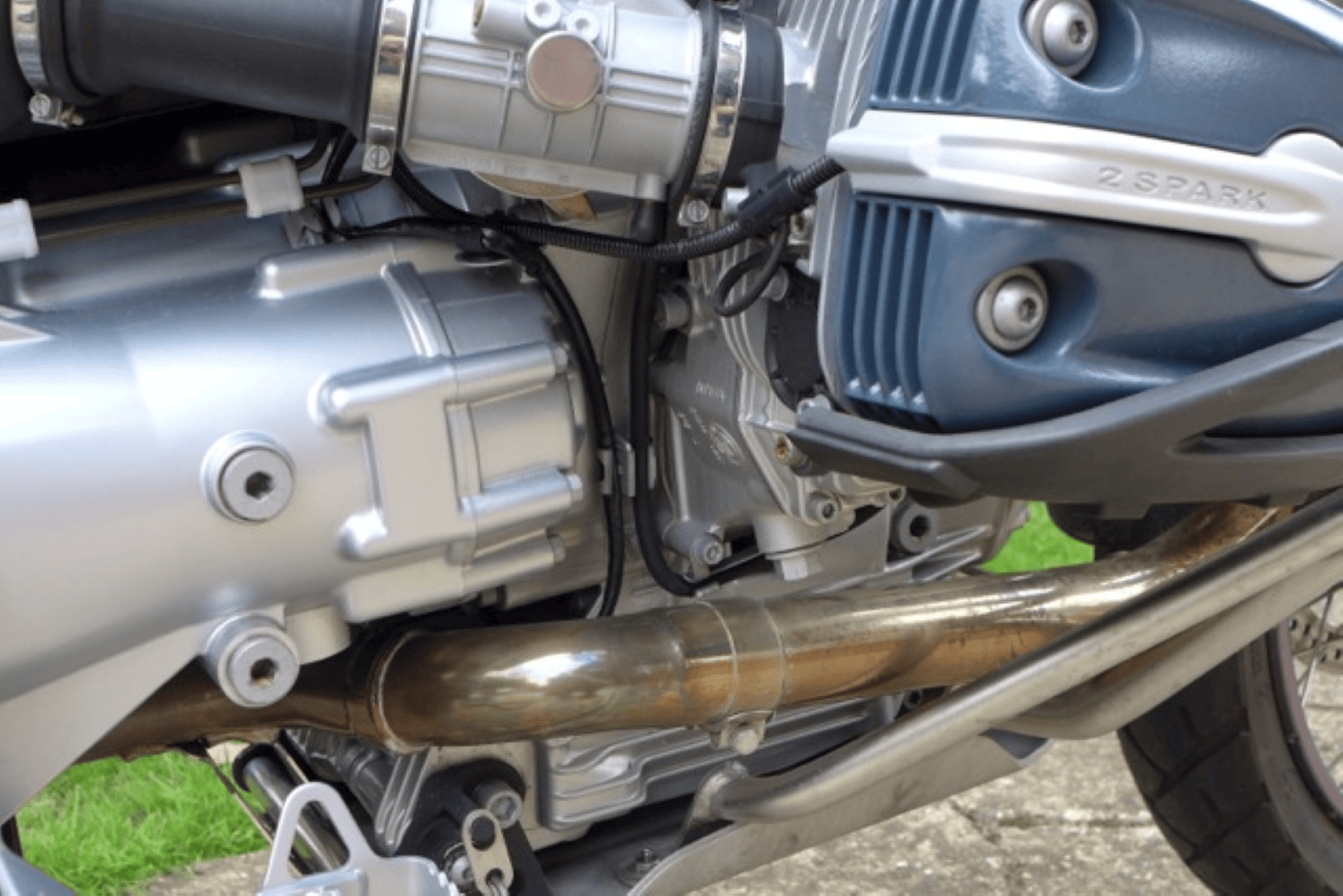
Fortunately, modern lubricants are exceptionally good, which is one reason why today’s motorcycle engines routinely achieve mileages that would have been considered extraordinary only a few decades ago.
Cold Starts Cause the Greatest Wear
Contrary to popular belief, most engine wear occurs during the first few seconds after starting.
When an engine has been standing, much of the oil drains back into the sump. Although a protective film remains on most components, oil pressure still needs time to build after start-up.
During these first moments:
- Oil pressure is lowest.
- Oil is thickest.
- Clearances are smallest.
- Combustion is richest.
- Fuel can dilute the oil film.
This combination produces the highest wear rates experienced during normal operation. That doesn’t mean riders should leave the engine idling for long periods. Modern engines warm up far more efficiently when ridden gently, allowing oil temperature and component clearances to stabilise more quickly.
Air Filtration Matters More Than Many Realise
Clean oil cannot protect an engine if abrasive particles continually enter through the intake. Dust behaves like an extremely fine grinding paste. Even microscopic particles can accelerate wear of piston rings, cylinder bores and valve seats.
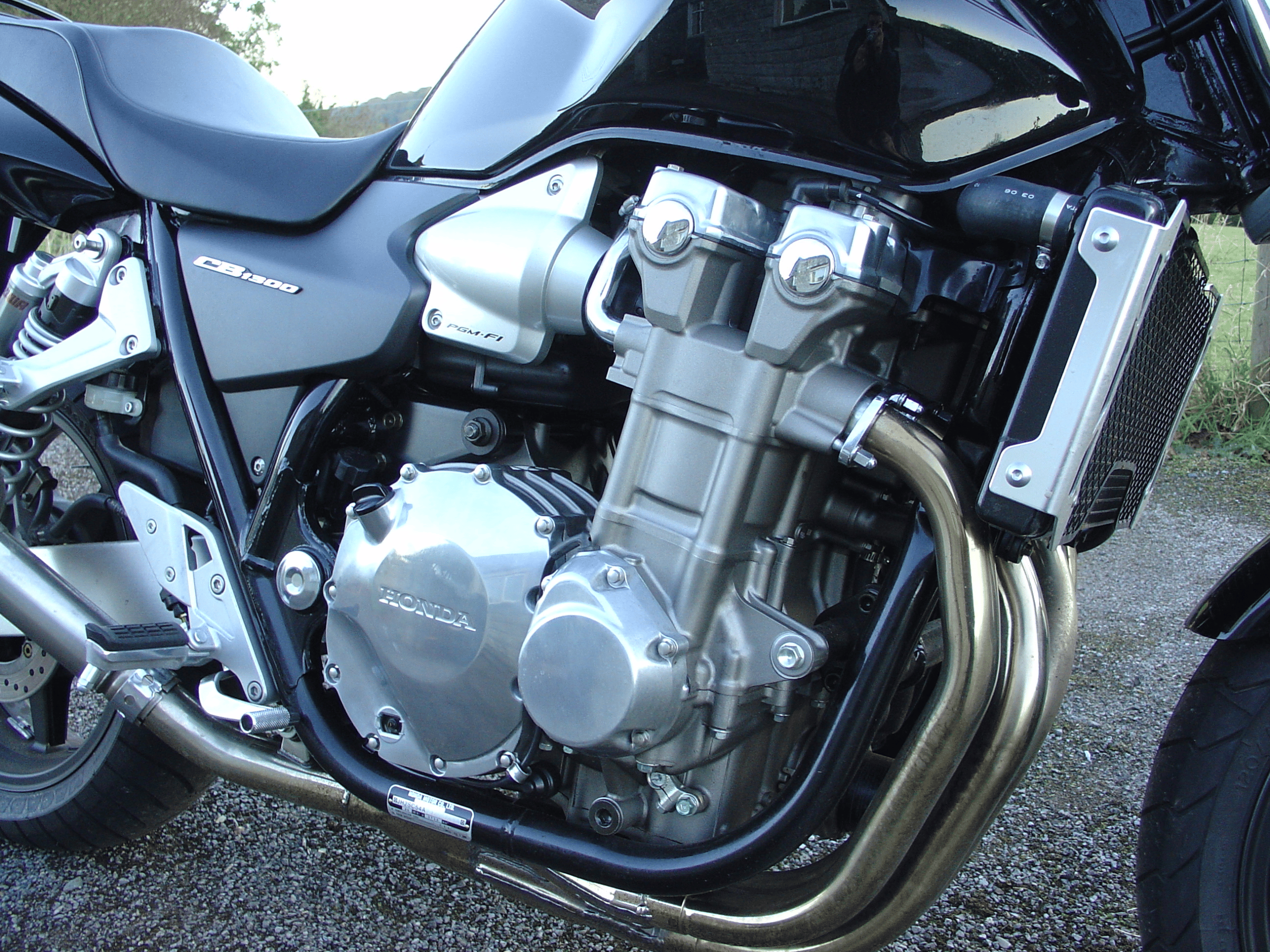
A clean, correctly fitted air filter removes the vast majority of airborne contaminants before they enter the engine. Removing an air filter to increase performance, fitting poor-quality filters or failing to seal the air-box properly can significantly shorten engine life, particularly if the motorcycle is used on dusty roads or trails. For many adventure and off-road motorcycles, air filtration is every bit as important as oil quality.
Heat Is Both Friend and Enemy
Motorcycle engines are designed to operate within a relatively narrow temperature range.
When too cold:
- Oil remains thick.
- Fuel burns less efficiently.
- Condensation builds inside the engine.
- Acids accumulate in the oil.
When too hot:
- Oil viscosity decreases.
- Lubrication becomes less effective.
- Oxidation accelerates.
- Seals harden.
- Components expand beyond their intended clearances.
Modern cooling systems maintain a remarkably stable operating temperature, allowing engines to achieve very high mileages when properly maintained.
Short Journeys Can Be Surprisingly Hard on Engines
Many riders assume motorway riding is the most demanding type of use because the engine spends hours turning at relatively high speed. In reality, frequent short journeys often produce considerably more wear. Repeated cold starts prevent the oil from reaching full operating temperature. Moisture and fuel contamination remain trapped inside the crankcase, increasing sludge formation and reducing the oil’s protective qualities.
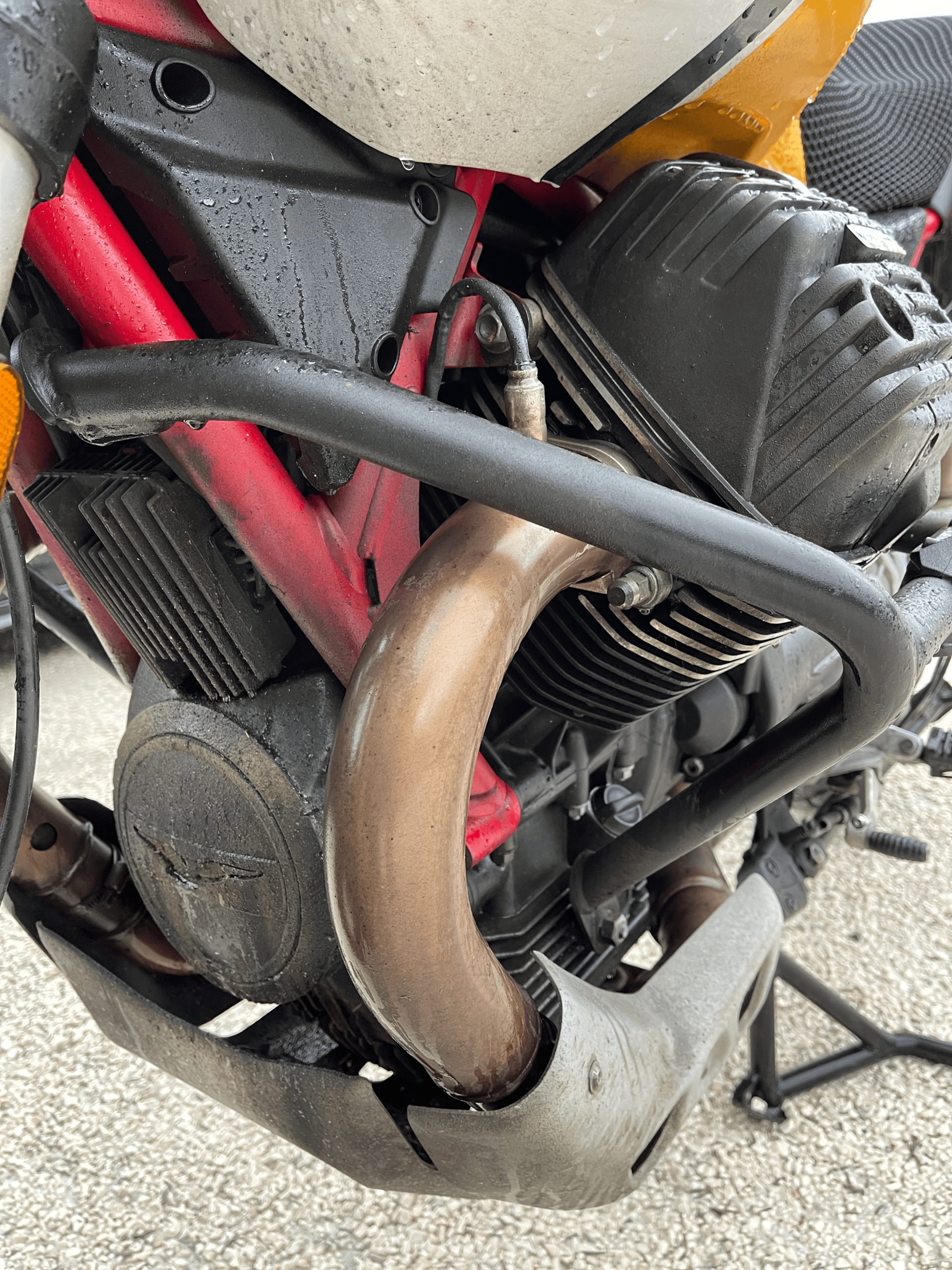
A motorcycle used for occasional longer rides often enjoys a healthier internal environment than one used exclusively for five-minute commutes.
Over-Revving Isn’t Usually the Problem
Manufacturers spend enormous amounts of time determining safe engine speeds. Provided the rev limiter is functioning correctly, occasional use of higher engine speeds within the designed operating range causes surprisingly little additional wear. The real danger comes from:
- Missed downshifts.
- Mechanical over-revving.
- Oil starvation during prolonged high-speed cornering.
- Poor maintenance.
- Low oil level.
These situations can overload bearings, valves or connecting rods far beyond their design limits.
Why Oil Changes Matter
No engine oil lasts forever. As oil ages it becomes contaminated by combustion by-products, microscopic metal particles, fuel dilution and moisture. Additives gradually become depleted and the oil loses some of its ability to neutralise acids and suspend contaminants. Regular oil and filter changes remove these contaminants before they begin accelerating wear.Using the correct specification oil is generally more important than chasing the most expensive product on the shelf.
Modern Manufacturing Has Changed Everything
Motorcycle engines built today benefit from manufacturing tolerances that engineers could only dream of fifty years ago. Computer-controlled machining, advanced metallurgy, precision heat treatment and superior surface finishes all contribute to dramatically reduced wear rates.
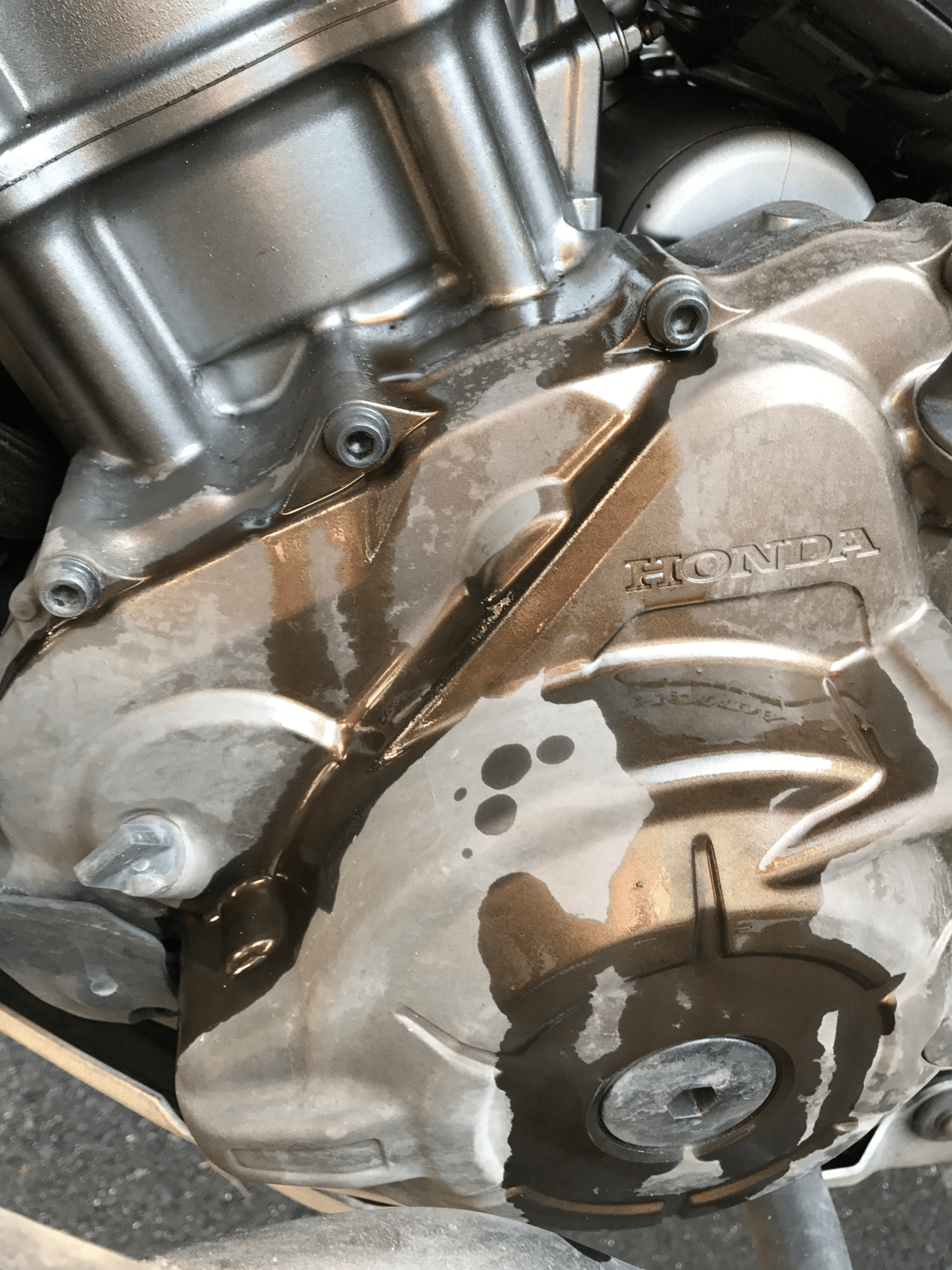
Combined with modern synthetic oils, these improvements mean that many engines easily exceed 100,000 miles without requiring major internal work. In many cases, compression remains excellent, oil consumption stays low and valve trains remain well within service limits.
When Engines Really Do Wear Out
Although most engines never truly wear out, some eventually require rebuilding. Common causes include:
- Poor servicing.
- Oil starvation.
- Overheating.
- Ingestion of dirt.
- Lack of maintenance.
- Chronic abuse.
- Manufacturing defects.
- Extremely high mileage.
Even then, many components remain perfectly serviceable, requiring only selective replacement rather than a complete rebuild.
It’s Usually Everything Else That Fails First
One of the great ironies of motorcycle ownership is that the engine is often the last component to wear out. Long before the crankshaft or pistons become unusable, I will be replacing:
- Wheel bearings.
- Suspension components.
- Brake discs.
- Wiring.
- Rubber hoses.
- Exhaust systems.
- Fasteners.
- Swingarm bearings.
- Cosmetic bodywork.
Corrosion, accident damage, obsolete parts availability or simple economics often determine the end of a motorcycle’s life rather than engine wear.
How to Maximise Engine Life
The principles are surprisingly straightforward.
- Use the correct grade and specification of oil.
- Change the oil and filter at the recommended intervals.
- Keep the air filter clean and correctly fitted.
- Check the oil level regularly.
- Allow the engine to warm up by riding gently.
- Avoid repeated short journeys where possible.
- Keep the cooling system properly maintained.
- Investigate unusual noises promptly.
None of these actions are particularly expensive, yet together they can add tens of thousands of miles to an engine’s useful life.
Common Myths
Several myths continue to circulate among motorcyclists.
- Engines do not normally “wear out” simply because they reach a particular mileage.
- High-quality synthetic oil cannot compensate for poor maintenance.
- Gentle use does not harm an engine; prolonged abuse does.
- High engine speed within the manufacturer’s limits is not automatically damaging.
- Long journeys are generally kinder to engines than repeated short trips.
Understanding these points helps riders focus on the maintenance practices that genuinely influence engine longevity rather than worrying about myths.
Final Thoughts
Modern motorcycle engines are engineering masterpieces. With proper lubrication, clean air, sensible maintenance and sympathetic use, they are capable of extraordinary reliability and longevity.
In over 400,000 miles of riding and maintaining motorcycles, I have found that genuine engine wear is remarkably uncommon. Far more motorcycles are retired because of corrosion, electrical faults, lack of parts (esp. older BMWs), accident damage or the simple cost of restoration than because the engine has reached the end of its life.
Look after the oil, keep dirt out, avoid overheating and service the motorcycle properly, and there is every chance the engine will outlast almost every other major component on the bike.