LightVessel LV72 – Juno

Catching occasional glimpses of a famous merchant vessel used to guide the way for ships during the D Day landings, I meandered around the tracks and back roads of Skewen before finally ending up on the waters edge alongside the River Neath. Perched in the mud was LV72 – Juno. Built in 1903 by John Crown and Sons in Sunderland this lightship is now ‘rusting and resting’, embedded in the sticky estuary mud and, to be honest, is a sad sight. Having been a lightship for Trinity House she was moored off the Normandy coast on 18th June 1944 and was used to mark the edges of minefields and give safe passage – remaining on station until 27th January 1945. In the spring of 1973 she was sold and after plans for a nightclub conversion failed, she now sits on the bank slowing eroding back into her surroundings.Trinity House Photograph - D DayLightvessel LV72 Juno

The book has left the building…

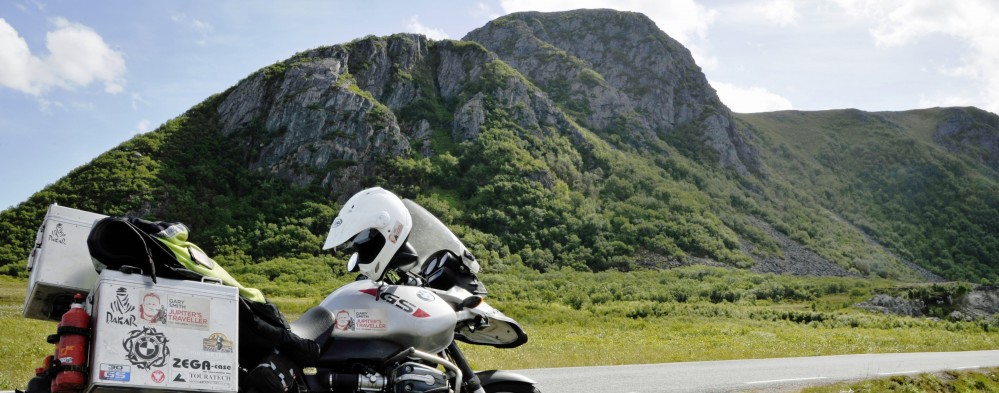
In the late spring of 2013, I left my home, my wife and my family to complete a solo motorcycle expedition – no substantive planning, just my old BMW R1150 GS Adventure, a tent and sleeping bag, a handful of spares and some cash. I only had one fixed point on my itinerary and that was a return ferry ticket 98 days later. Today I finally managed to upload to my publishers the first draft of my pictorial journey of the expedition – a representation of the challenges, situations, peoples and landscapes I discovered over that inspirational period. I travelled over 24,000 km, exhausted five tyres and only had one puncture… I came back a changed man and for those of you who look at this and wonder if you can complete a similar undertaking, all I can say is ‘do it’ – I promise you will never regret it.

Book Cover

2014 Touratech Travel Event

I was lucky enough to be able to visit this weekend the annual Touratech Travel Event along with hundreds of other adventure motorcycle riders – good to meet Chris Scott and watch the new R1200GSA be thrown all over the track by Nick Plumb. If you have not read it – I recommend Chris’s book Adventure Motorcycling Handbook he has a wealth of experience having undertaken over 35 expeditions through the Sahara, from Egypt to the Atlantic by motorcycle, and a nice guy to boot.

Chris Scott

The Iron Harvest

I had heard about the ‘Iron Harvest’ before visiting the WW1 battle fields but have been shocked at the sheer volume of shells casings and shrapnel fragments all over the landscape. The urge to walk into a field and look for “rusty bits” like lumps of iron shell casing, shrapnel balls or bits of equipment is hard to resist. Although the fighting in the northern front stopped over 90 years ago, there is still a large quantity of WW1 ammunition, artefacts and explosives in the Salient. During World War I an estimated one tonne of explosives was fired for every square metre of territory on the Western front and as many as one in every three shells fired did not detonate. In Ypres an estimated 300 million of the 1.4 billion projectiles that the British and the Germans forces fired at each other during World War One failed to explode and most of them have not been recovered. Today I was advised that in 2013 alone 160 tonnes of munitions were unearthed from the areas around Ypres.

Surface Ordinance and Artifacts