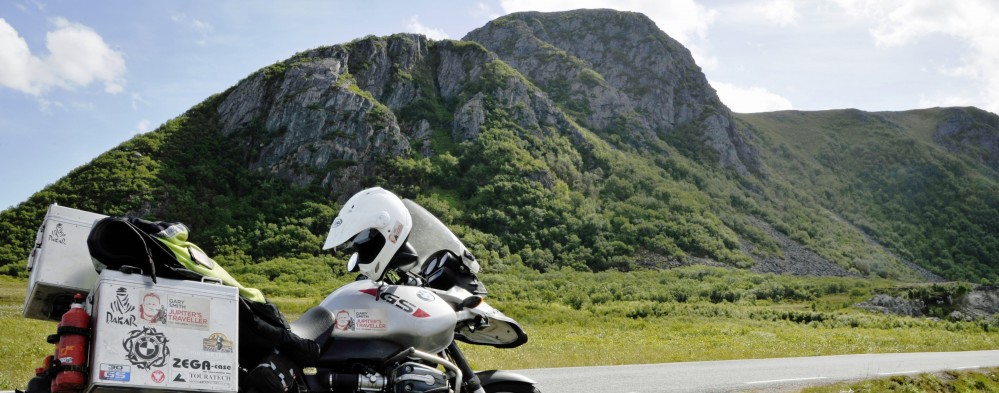
2014 Touratech Travel Event

I was lucky enough to be able to visit this weekend the annual Touratech Travel Event along with hundreds of other adventure motorcycle riders – good to meet Chris Scott and watch the new R1200GSA be thrown all over the track by Nick Plumb. If you have not read it – I recommend Chris’s book Adventure Motorcycling Handbook he has a wealth of experience having undertaken over 35 expeditions through the Sahara, from Egypt to the Atlantic by motorcycle, and a nice guy to boot.

Chris Scott

The Iron Harvest

I had heard about the ‘Iron Harvest’ before visiting the WW1 battle fields but have been shocked at the sheer volume of shells casings and shrapnel fragments all over the landscape. The urge to walk into a field and look for “rusty bits” like lumps of iron shell casing, shrapnel balls or bits of equipment is hard to resist. Although the fighting in the northern front stopped over 90 years ago, there is still a large quantity of WW1 ammunition, artefacts and explosives in the Salient. During World War I an estimated one tonne of explosives was fired for every square metre of territory on the Western front and as many as one in every three shells fired did not detonate. In Ypres an estimated 300 million of the 1.4 billion projectiles that the British and the Germans forces fired at each other during World War One failed to explode and most of them have not been recovered. Today I was advised that in 2013 alone 160 tonnes of munitions were unearthed from the areas around Ypres.

Surface Ordinance and Artifacts

Tyne Cot

‘Tyne Cot’ or ‘Tyne Cottage’ was the name given by the Northumberland Fusiliers to a barn which stood near the level crossing on the Passchendaele and Broodseinde road. The barn at the centre of five or six German blockhouses, or pill-boxes, was captured by the 3rd Australian Division on 4 October 1917, in the advance on Passchendaele. The Cemetery contains 11,908 graves and 70% of these are unknown. On the wall at the back of the cemetery are the names of 34,927 soldiers who have no known grave and died from August 1917 to the end of the war.

Tyne Cot